Facility Transitions for Stored Goods and Operational Contents
Warehouse Moving in Lithonia for equipment, inventory, shelving contents, and business items transferred between facilities
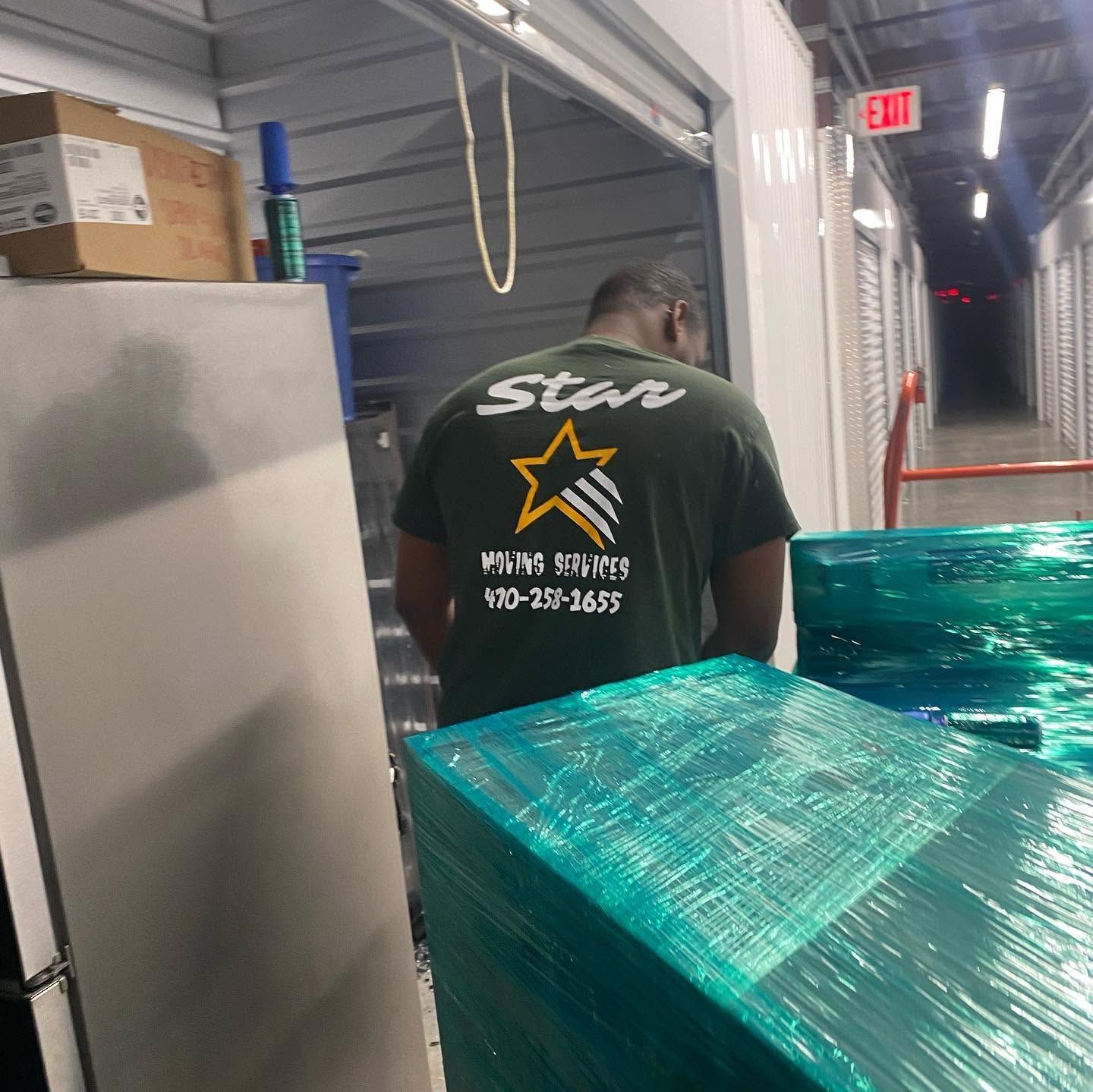
Businesses relocating warehouse operations face the substantial task of moving stored goods, equipment, inventory, shelving contents, pallet racks, workbenches, tools, and other operational items accumulated in a facility that may span thousands of square feet and contain materials essential to daily business function. Star Moving Services provides warehouse moving support in Lithonia and the surrounding Atlanta area, addressing the organized handling, loading, transportation, and unloading required when transferring these items between facilities. The company operates as an insured, family-owned business with more than 20 years of moving experience, bringing that operational background to the planning and physical execution warehouse relocations demand.
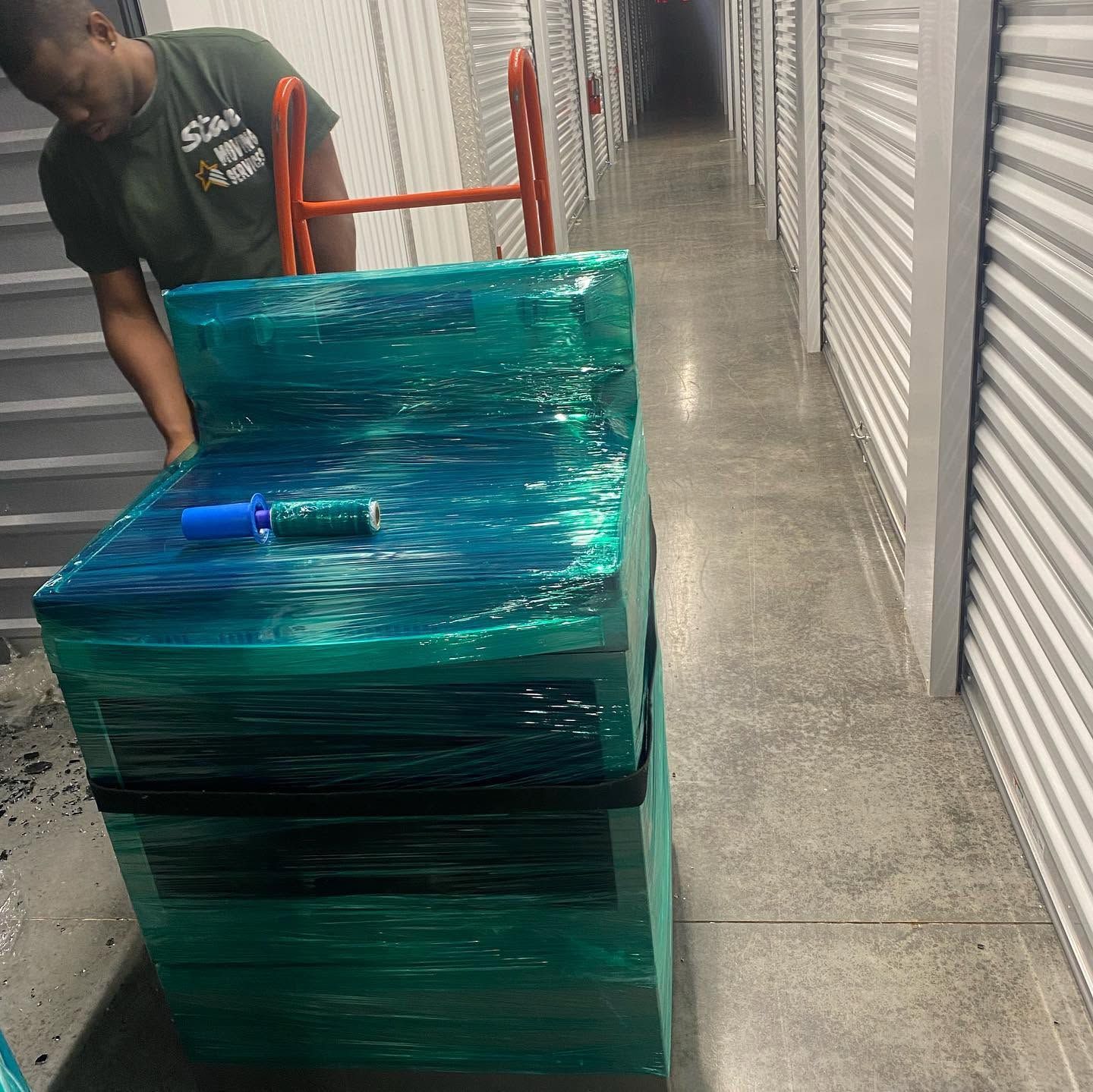
Warehouse moves differ from office or residential relocations in the volume and variety of items being transported, the use of loading docks and pallet jacks where available, and the need to coordinate with facility managers at both the origin and destination to schedule access during business hours or after-hours windows that minimize operational disruption. The moving crew handles the loading of items identified for transport, secures everything inside the truck to prevent damage during transit, and unloads at the new warehouse in a sequence that allows the business to begin restocking shelves and setting up work areas without prolonged downtime.
Describe your warehouse move, including the types of items being transferred and the facility locations, to request a quote based on the scope of work involved.
A warehouse move begins with clear communication about the size of the facility, the types of items being relocated, and any access challenges or timing constraints that affect the schedule. Businesses should identify which equipment, inventory, and shelving units will be transported versus what will be sold, scrapped, or left behind, as the moving crew's role is to load and move the items designated for relocation rather than sort through facility contents or make decisions about disposal. Organized labeling by zone, product category, or priority helps ensure that essential items arrive and are unloaded first, allowing operations to resume in stages rather than waiting for every last box or pallet to be delivered.
Once the warehouse move is complete, your equipment, inventory, and operational contents are positioned inside the new facility, ready for the business to begin organizing shelving, setting up workstations, and resuming order fulfillment or production activities. The difference is particularly noticeable when the moving crew handles the heavy lifting and transportation of bulky shelving units, loaded pallet racks, or industrial equipment that would otherwise require the business to rent specialized machinery or pull employees away from their regular duties for days. Professional moving support allows the business owner and staff to focus on coordinating the transition, communicating with customers and vendors, and managing the operational side of the move rather than the physical labor of loading trucks.
The service covers the transportation of warehouse contents but does not include specialized machinery operation, installation of shelving or racking systems at the new facility, or storage beyond the scheduled moving period. Businesses should arrange for forklift operators, electricians, or rigging specialists separately if the move involves heavy machinery that requires equipment beyond standard moving trucks and hand tools. The quote reflects the labor, truck capacity, and transportation required for the described scope, and any changes to the volume or additional services will adjust the final cost.
Common Questions About Warehouse Relocations
Businesses planning a warehouse move in Lithonia or the Atlanta area often need clarity about preparation, timing, and how the moving process accommodates operational needs.
What preparation should be completed before the moving crew arrives at the warehouse?
Inventory should be organized, items clearly marked for transport or disposal, and any necessary equipment access arranged with the facility manager, as the crew's focus is on loading and moving rather than sorting or decision-making.
How does the moving crew handle heavy shelving units or pallet racks?
Shelving and racking are disassembled as needed for safe transport, loaded onto the truck, and relocated to the new facility, though reassembly at the destination is typically the responsibility of the business unless otherwise arranged in advance.
What happens if the new warehouse is not ready for occupancy on the scheduled moving date?
The move should be scheduled only after the new facility is accessible and any required inspections or lease agreements are finalized, as the moving crew cannot store items beyond the delivery date without separate storage arrangements.
How are fragile or high-value inventory items protected during the move?
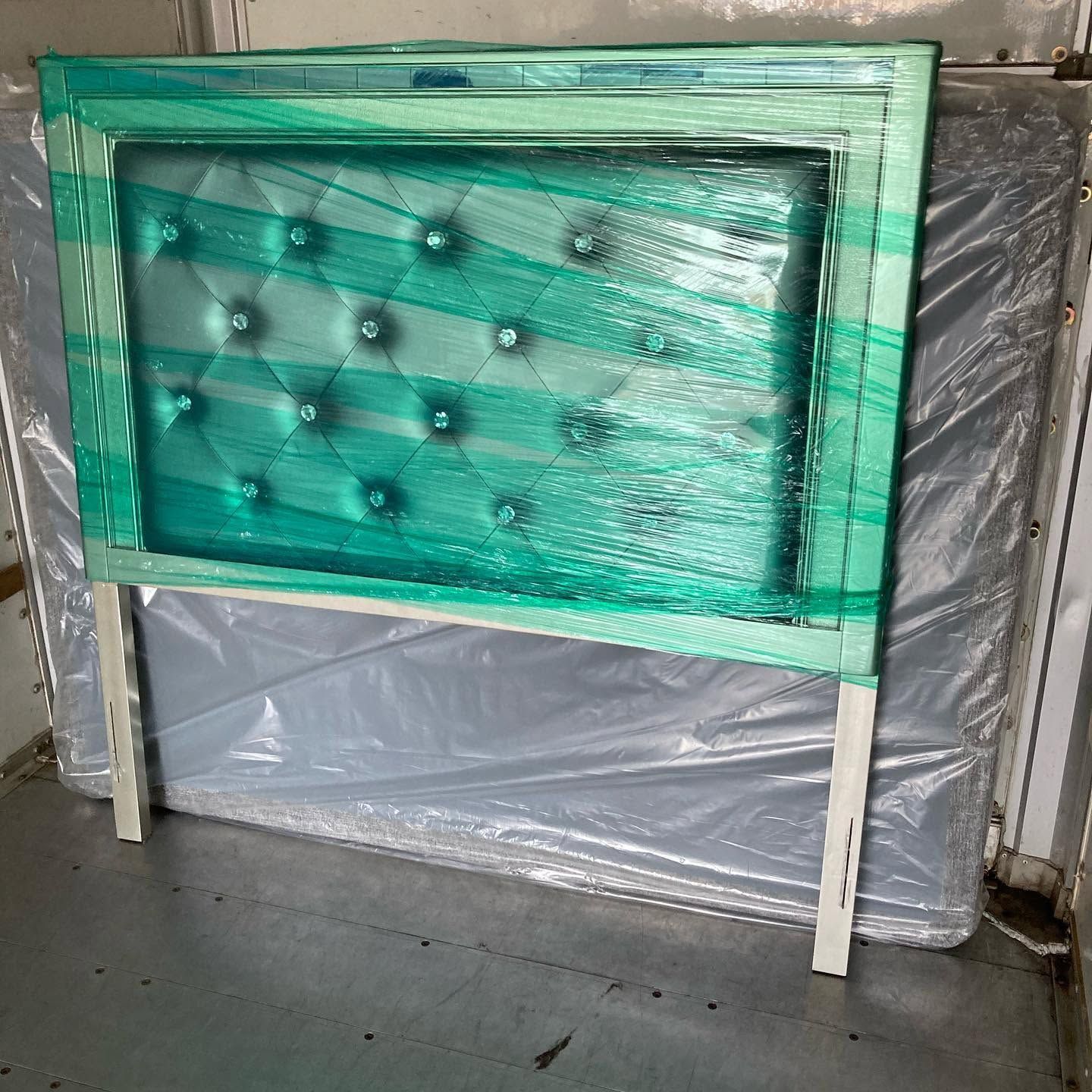
Items should be packed securely by the business, labeled appropriately, and loaded with care, though the responsibility for damage prevention lies primarily with proper packing and handling by the customer.
What factors affect the timeline for a warehouse move in the Atlanta area?
The size of the facility, the volume of items being relocated, the distance between locations, and the access conditions at both warehouses all influence how long the move takes and the crew size required to complete it efficiently.
Star Moving Services is an insured company with more than two decades of experience handling warehouse relocations and other moving services across the Atlanta market. Contact the company with details about your current and new facility locations, the types and volume of items being moved, and your preferred schedule to receive a quote tailored to your warehouse transition.